Research & Communication
Studying how images shape what people notice, trust, and remember.
My research grows from the same questions that guide my art: How do images communicate? Who determines whether a story appears credible? How can everyday experiences reveal wider cultural systems?
I study food through several lenses—from digital aesthetics and urban memory to laboratory research. These projects allow me to move between academic analysis, visual documentation, and public communication. Together, they show how food can operate as a biological substance, a cultural archive, and a form of media.
Digital Aesthetics in TikTok Food Reviews
Published in Communications in Humanities Research, ICLLCD 2026 — Using Visual Arts to Enrich History Understanding, CPCI.
TikTok has become an important source of dining information for young Chinese consumers, but its influence depends on more than the food being reviewed. My six-page research paper examines how creators use short-form video, visual aesthetics, evaluative language, and everyday consumer narratives to make personal opinions appear authoritative.
I analyze how repeated visual and verbal cues standardize the way audiences interpret taste, quality, and credibility. I also consider how recommendation algorithms extend the influence of individual creators, transforming personal reviews into broader systems of cultural taste-making.
Beijing Food Culture Guidebook
Chasing Aromas Through the Hutong: A Flavor-Filled Journey
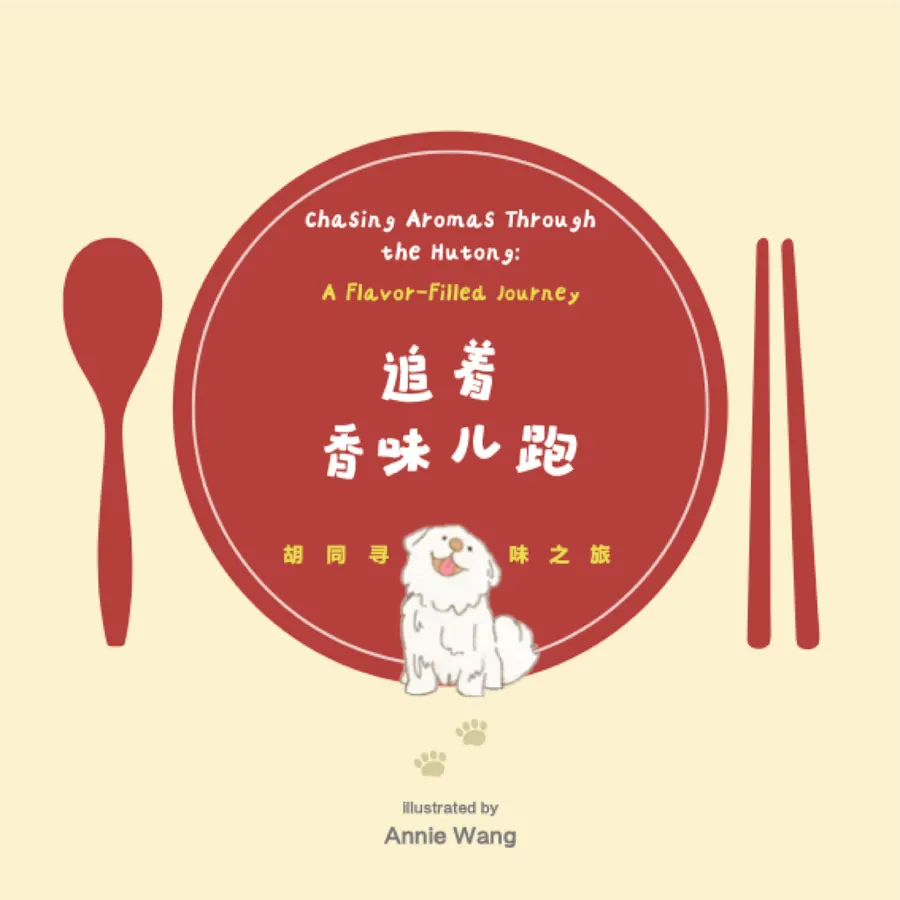
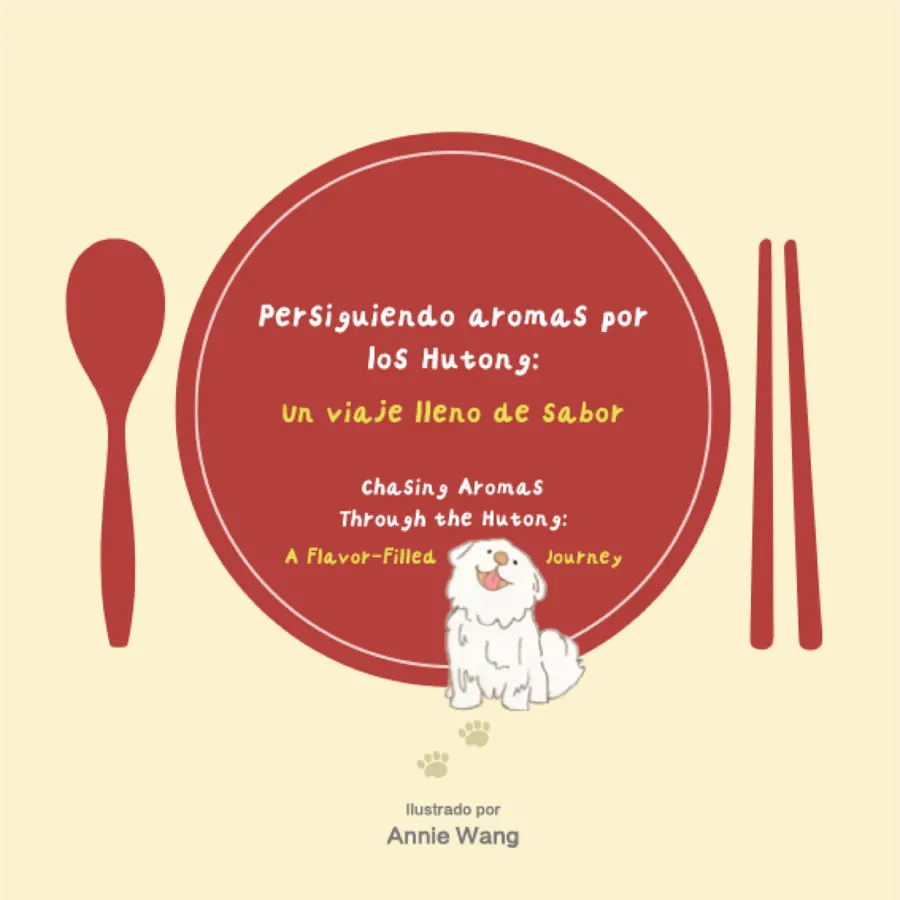
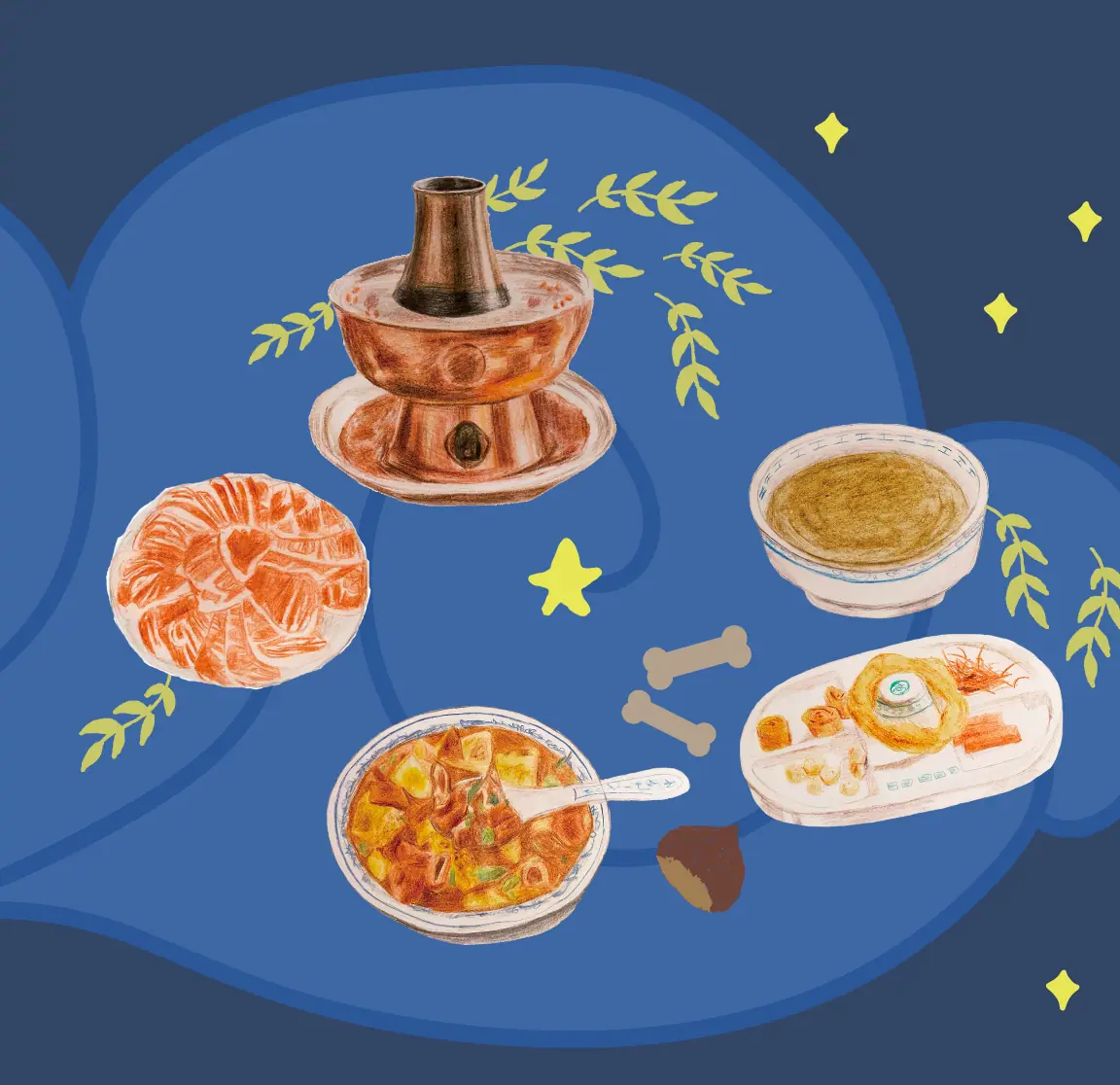
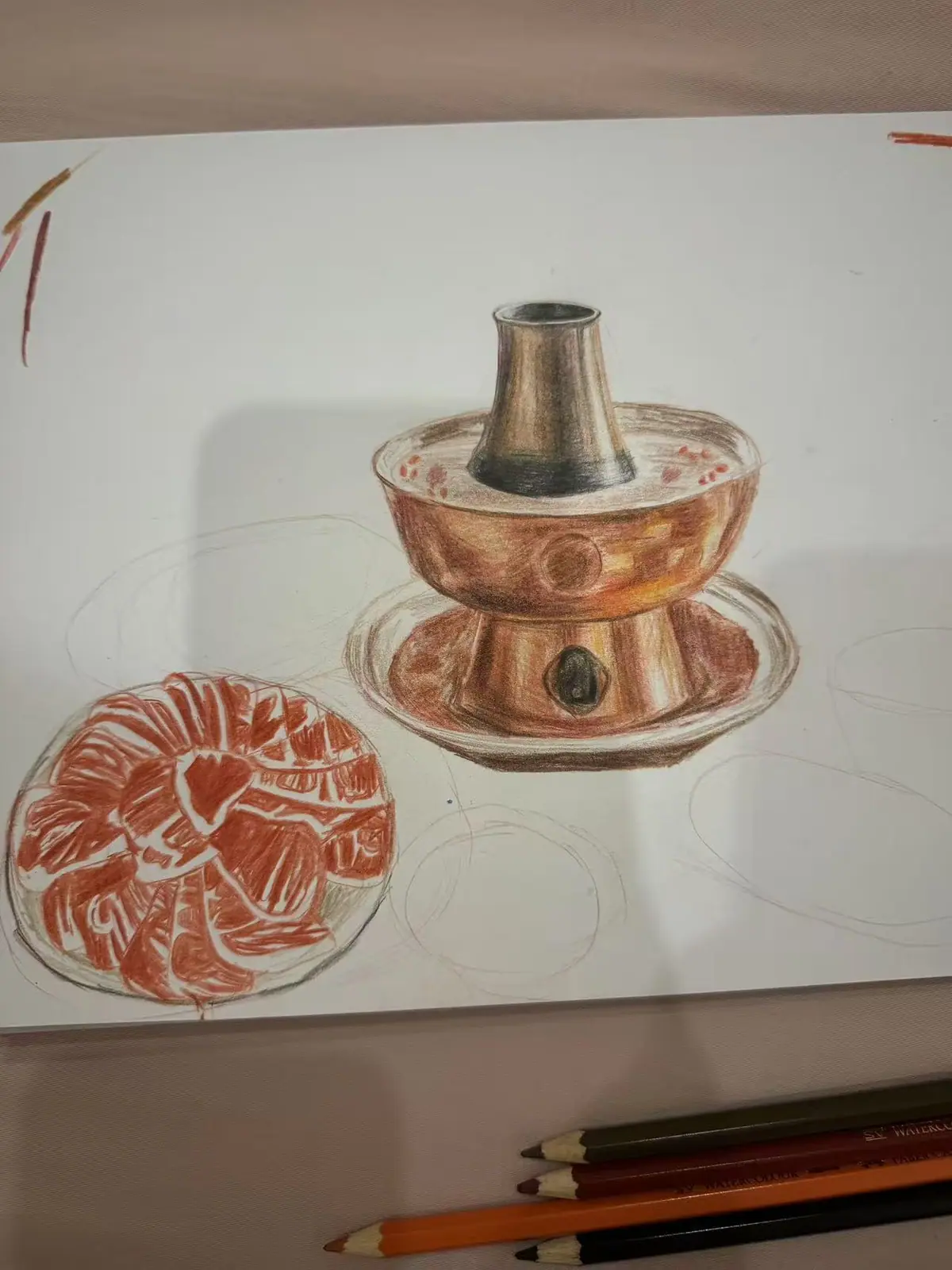
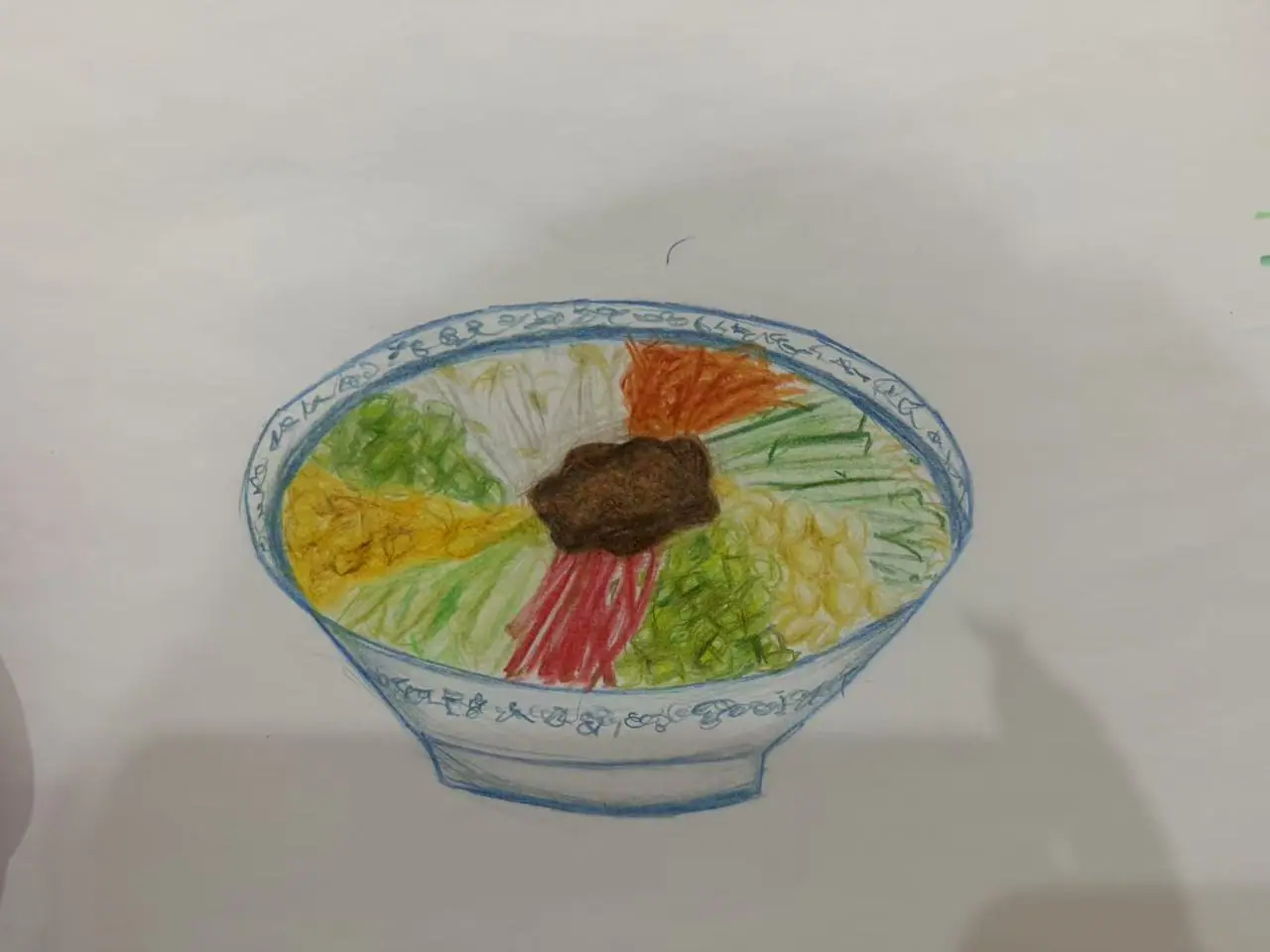
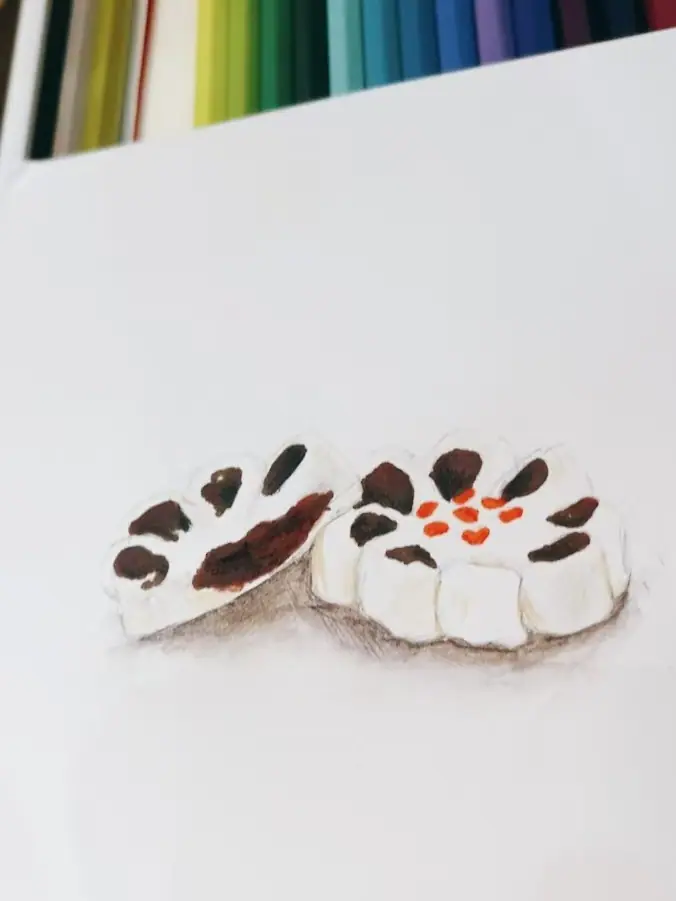
Chasing Aromas Through the Hutong is a 30-page trilingual illustrated guide to Beijing food culture. Written in Chinese, English, and Spanish, it combines colored-pencil illustration, cultural research, and narrative storytelling.
I researched more than eight dishes and dining traditions, including Peking duck, douzhi, zhajiangmian, and hot pot, tracing their connections to local eateries, neighborhoods, and community memory. Instead of presenting food as a list of famous specialties, the guidebook treats each dish as an entry point into Beijing’s changing urban identity. The project was later shared through exhibitions and workshops.
- 30
- pages
- 3
- languages
- 8+
- dishes and dining traditions
Food Science and Functional Food Research
From Cultural Questions to Laboratory Investigation
To understand food beyond its visual and cultural meanings, I completed a laboratory project examining the mechanisms behind functional and fat-reducing foods.
Working with two peers, I isolated bacteria from mouse feces, observed organ structures through dissection, tested protein content in guava juice, and developed fruit-and-vegetable tablets and salads. I learned to use pipettes, sterile benches, and controlled laboratory procedures while documenting our methods and observations. We consolidated the project into a 14-page report reflecting on our process, results, and experimental limitations.
- 14
- page report